Web design services for the beauty industry: an editorial guide
Why salon, nail and clinic websites built like magazines outperform template sites — and how to brief, budget and measure a beauty industry web design project.
Most beauty websites are sold on the same three promises: mobile friendly, booking button, done in a week. That is why so many salon, nail studio and clinic sites look interchangeable — same hero photo, same three-column services grid, same stock gradient. This guide covers what web design services for the beauty industry should actually deliver, and how an editorial approach changes the result.
Template sites vs magazine-style layouts
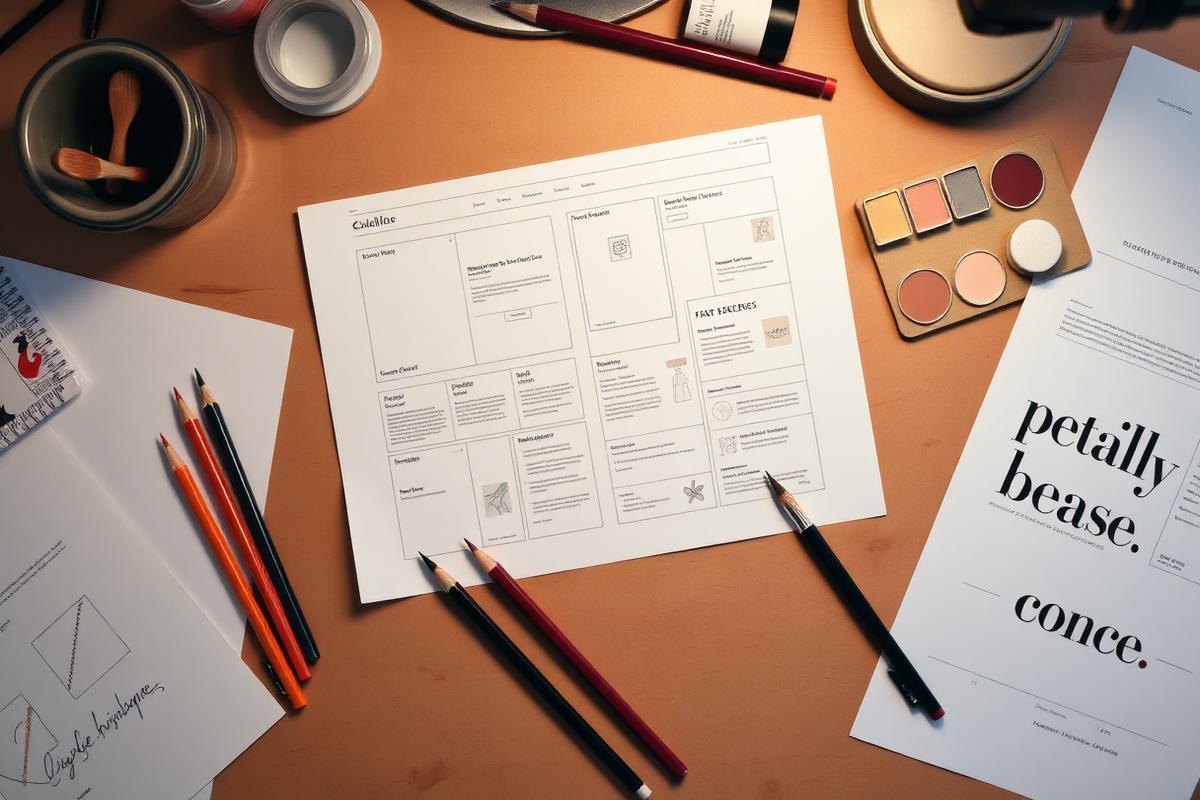
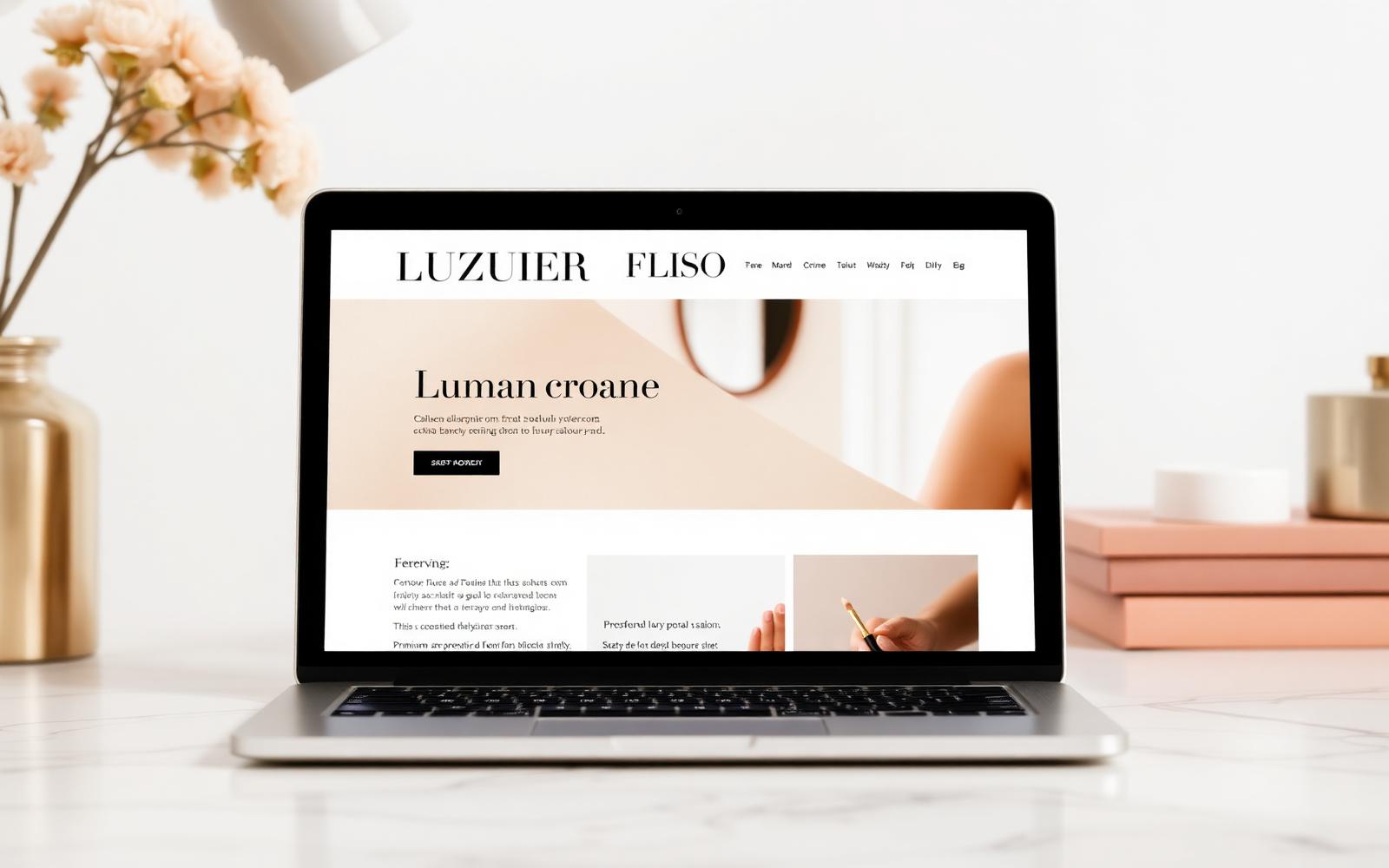
A template site treats your salon as a category. A magazine-style layout treats it as a brand with a point of view. The practical differences are measurable: generous type scales instead of default 16px body copy, a controlled palette drawn from your interior rather than a theme preset, asymmetric grids that let one hero treatment breathe instead of squeezing nine services into equal boxes, and photography sized and cropped like a spread rather than dropped into a slider.
Clients read that difference in about two seconds. Editorial pacing signals that the work inside the room is considered too, which is the single strongest argument for a premium price list.
What a beauty industry website actually has to do
Four jobs, in order. Establish the standard of the room within one screen. Make the price list legible without a PDF. Get someone into a booking flow in two taps from any page. Prove trust with real client work, hygiene standards, and reviews attached to named treatments rather than a generic carousel.
Everything else — team bios, journal, gift vouchers, careers — supports one of those four. If a section does not, it is decoration and it slows the page down.
Booking is a design problem, not a plugin
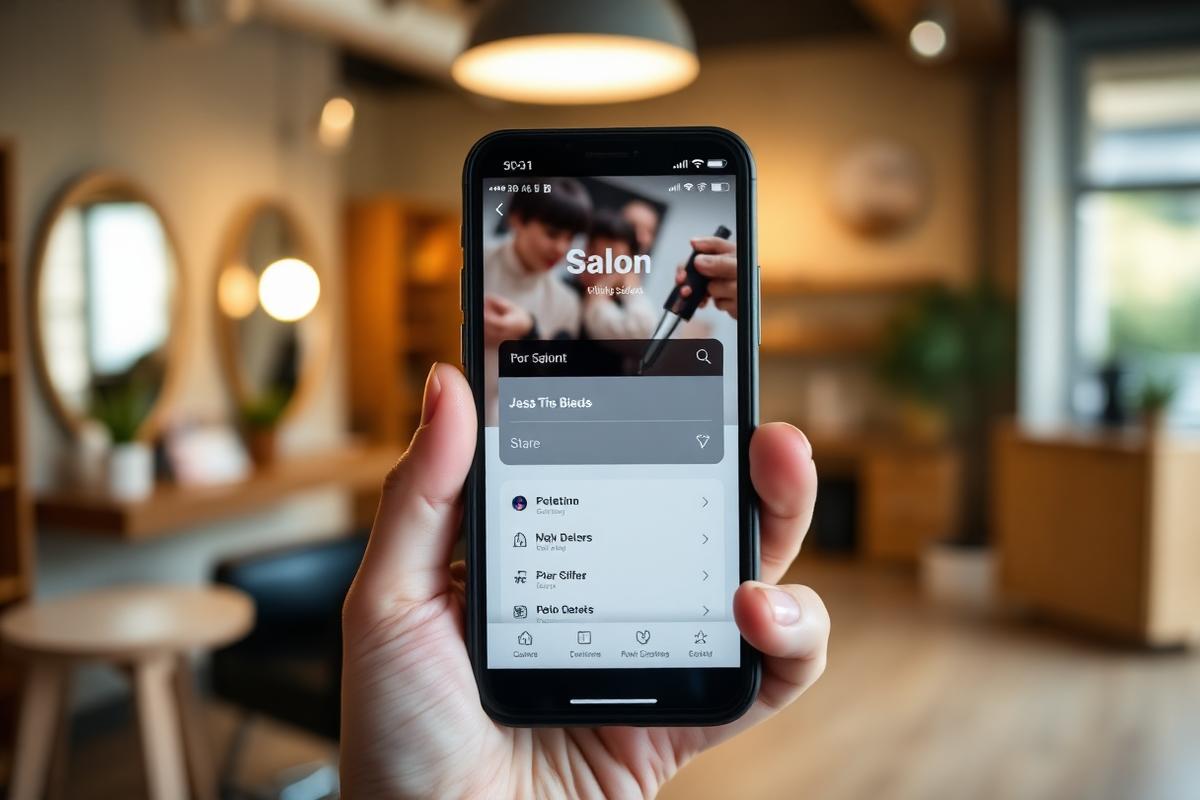
Most beauty sites hand the booking moment to a third-party widget that changes typeface, colour and tone the instant a client taps it. That handoff is where bookings are lost. Native integration — Square, Fresha or a custom flow styled to match the site — keeps the client in your brand from the service page to the confirmation email. Where a provider allows it, we build directly against their API so availability, deposits and treatment durations live inside your own pages.
Photography sets the ceiling
No layout survives phone snapshots under salon downlights. Budget a half-day shoot before the build: the room empty and in service, hands and detail work at close range, and two or three portraits of the team. Shoot wide with room to crop — editorial layouts need vertical and horizontal versions of the same frame.
Local SEO for salons and studios
Beauty search is local and specific. One page per treatment plus suburb, each with its own title, description and structured data, will outrank a single services page every time. Add LocalBusiness and Service schema, keep your Google Business Profile hours and photos in sync with the site, and publish a small amount of genuinely useful content — aftercare, what a treatment involves, how long it lasts — which also earns links from clients sharing it.
Performance and accessibility are conversion features
Aim for a Largest Contentful Paint under 2.5 seconds on a mid-range phone with modern image formats and no page-builder bloat. Hold AA contrast at minimum on body copy — soft grey on cream is the most common beauty-site failure — set tap targets at 44px, and label every booking control. Accessible sites read as more professional and convert better on the small screens where most bookings start.
How to brief a studio
Bring three references you admire and one you hate, your current price list, your booking provider, your top five treatments by revenue, and the one thing clients always say about the room. That is enough for a studio to propose structure, tone and scope without a discovery phase you pay for twice.
What to measure after launch
Bookings started and bookings completed, split by device. Calls and direction taps. Organic impressions per treatment page in Search Console. Average booking value — an editorial site usually moves this before it moves traffic, because it changes who reaches out.
How we work
Scorpmark designs and builds beauty industry websites end to end — brand direction, editorial layout, booking integration and SEO — for nail studios, salons and clinics across Australia, Vietnam and the US. Recent work includes Venus Nails South Yarra, Nancé Nails & Spa and Jade Finger Tips. If you want a site that looks like your room rather than a template, start a project or book a fifteen-minute intro call.