Builder gel vs BIAB: what's actually different
BIAB is a builder gel — but not every builder gel is BIAB. What separates them, how each behaves on the natural nail, and which one to book.
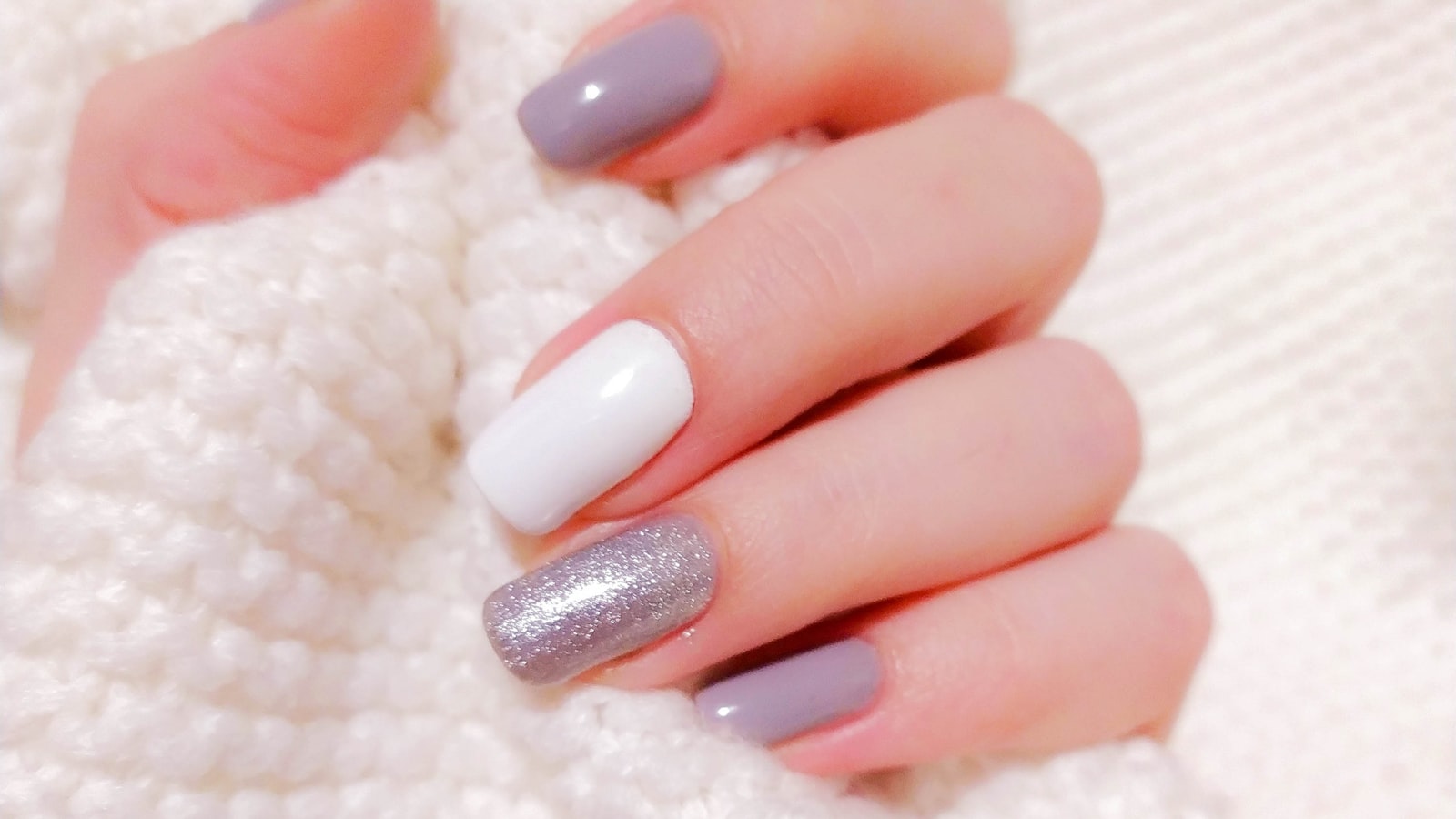
Builder gel and BIAB get used interchangeably on salon menus, which makes them hard to compare when you're booking. They are related products with different jobs — and picking the wrong one is why some clients feel their nails are "too thick" and others feel theirs never last.
What builder gel is
Builder gel is a thick, self-levelling gel used to construct structure on the nail. It can be applied over the natural nail as an overlay, or over a form or tip to add real length. Cured under lamp, it holds an apex — the slightly raised point of strength around a third of the way up the nail — which is what stops the nail flexing and cracking.
What BIAB is
BIAB stands for Builder In A Bottle. It is a soft, soakable builder gel that comes in a polish-style bottle with a brush, so it applies almost like a thick base coat. The category was popularised by The GelBottle Inc, and "BIAB" is now used loosely across the industry for any brush-in-bottle builder.
So BIAB is a builder gel. The useful distinction is not the chemistry — it's the format, the flexibility, and how much structure the product can carry.
The practical differences
Length. Traditional builder gel sculpts length over a form. BIAB is designed as an overlay on your own nail — a few millimetres past the free edge at most.
Strength versus flexibility. Hard builder gel is rigid and holds dramatic shapes. BIAB is more flexible, which feels lighter and more natural and moves with the nail instead of resisting it.
Removal. Most BIAB formulas are soak-off. Hard builder gel usually needs to be filed back with an e-file, which asks more of the technician and takes longer.
Maintenance. BIAB is normally infilled every three to four weeks rather than removed — the regrowth area is filed back, the apex rebuilt, and colour reapplied. That's what makes it a nail-health option: the natural nail is disturbed far less often.
How BIAB compares to a normal gel manicure
A standard gel polish manicure is roughly the thickness of a few coats of paint. It adds colour and shine but almost no structure, so a weak or peeling nail keeps behaving like a weak nail. BIAB adds a structural layer, which is why clients growing their nails out after acrylic damage are usually steered towards it.
Which one should you book?
Choose BIAB if you want your own nails to look natural, strong and glossy, you're recovering from acrylics or peeling, and you're happy with your current length or want a little more.
Choose hard builder gel or acrylic if you want significant added length, a sculpted coffin or stiletto shape, or heavy 3D nail art that needs a rigid base.
Choose plain gel polish if your natural nails are already strong and you only want colour for a couple of weeks.
Making it last
The failure points are the same as any enhancement: cuticle prep, apex placement, and a properly capped free edge. Beyond the chair, oil daily, wear gloves for cleaning, and book infills at three to four weeks instead of waiting for lifting. A BIAB set maintained this way can carry the same natural nail for months.
One caveat worth saying plainly: BIAB is not a treatment. It doesn't repair the nail plate — it protects it while it grows. The growth is doing the healing; the product is just keeping impact off it.